


7 Mistakes That Ruin a Composite Deck (And How to Avoid Every One)
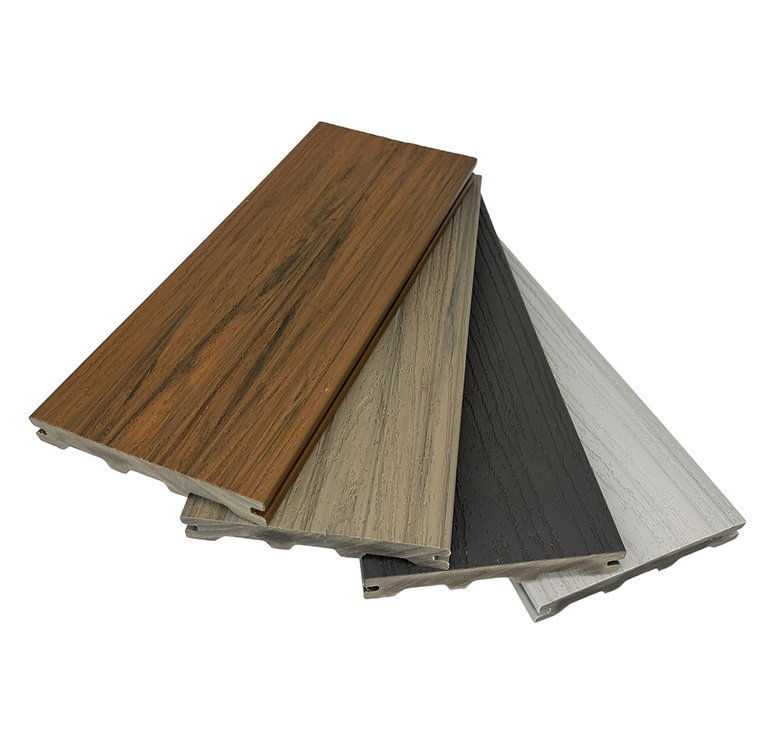
Composite decking is designed to be durable, low-maintenance and long-lasting. But even the best boards in the world cannot overcome poor installation. The most common problems with composite decks — sagging boards, buckling in summer, water pooling, rattling underfoot — are almost always caused by mistakes made during the build, not defects in the material itself.
Here are the seven most common errors we see in UK composite decking installations, and exactly how to avoid each one.
1. Joist Spacing Too Wide
This is the number one cause of bouncy, saggy composite decking. Many DIYers (and some inexperienced tradespeople) space their joists at 450mm centres because that is the standard for timber decking. Composite boards are denser and less rigid than timber, and they require closer support. The maximum joist spacing for most composite decking boards is 300mm for residential use and 200–250mm for commercial or high-traffic areas.
Get this wrong and your deck will flex underfoot, boards may sag between joists over time, and the manufacturer’s warranty could be voided. Always check the recommended joist centres for your specific board before you build the subframe.
2. No Expansion Gaps
Composite decking expands and contracts with temperature changes. In the UK, the difference between a freezing January morning and a hot July afternoon can cause each 3.6m board to change length by up to 6mm. If you butt boards tightly together or push them hard against a wall, there is nowhere for the material to go when it expands. The result is buckling — boards lifting off the joists in a wave pattern that looks alarming and can be dangerous.
Always leave a 5–6mm gap between board edges (hidden clips do this automatically), a 6–10mm gap at butt joints where two boards meet end-to-end, and a 10mm gap from any fixed wall, post or structure. These gaps are invisible once the deck is finished but critical to its long-term stability.
3. Skipping Joist Tape on Timber Frames
We covered this in detail in our joist tape guide, but it bears repeating here because it is such a common and costly oversight. If your subframe is built from timber, joist tape is essential. Without it, water pools on the joist tops and soaks into the wood through screw holes, causing rot that starts hidden and spreads silently. By the time you notice the problem, the damage is done. A £30 investment in tape can prevent a £2,000 subframe replacement.
4. Not Acclimatising the Boards
Composite decking boards should be stored on site for at least 48 hours before installation, laid flat on a ground sheet and protected from direct sunlight. This allows the boards to adjust to the ambient temperature and reach their natural resting size. Boards installed straight from a cold delivery van on a hot summer day will be at their smallest — then expand significantly over the following days, potentially causing the buckling problems described above.
5. Sharing Joists at Butt Joints
Where two deck boards meet end-to-end, each board must have its own dedicated joist beneath it. A common shortcut is to land both board ends on a single joist and screw them both into it. This creates a weak point: neither board is properly supported, and the joint will flex, squeak and eventually work loose. Always use double joists at butt joints — one for each board end — with a 6–10mm gap between the board ends for expansion.
6. Poor Drainage and Ventilation
A composite deck needs airflow beneath it and a slight fall for water to drain away. Without these, moisture gets trapped under the deck, promoting mould growth on the underside of the boards and accelerating rot in any timber elements of the subframe. Ensure a minimum 50mm air gap between the ground and the underside of the decking. Build the subframe with a gentle 1:80 fall (approximately 12mm per metre) away from the house. Leave ventilation gaps around the perimeter — skirting trims with built-in gaps are ideal for this.
7. Using the Wrong Fixings
Composite decking requires specific fixings designed for the material. Standard wood screws can crack composite boards, and screwing through the face of the board without pre-drilling causes unsightly “mushrooming” where the material pushes up around the screw head. Use the hidden clip system supplied by your decking manufacturer for the main field of boards. Where face-fixing is unavoidable (such as the first and last boards), always pre-drill an oversized pilot hole and use composite-specific screws with a reverse thread design that pulls the material down for a flush finish.
Get It Right First Time
Every one of these mistakes is avoidable with proper planning and the right materials. If you are unsure about any aspect of your installation, read the manufacturer’s guidelines carefully or hire a professional installer. A well-built composite deck is a 25-year investment in your outdoor space. A poorly built one is a headache that starts showing up within months.
Browse Ceta’s complete decking system: boards, aluminium joists, hidden clips, pedestals, joist tape and finishing trims — everything you need to avoid these mistakes and build a deck that lasts. Call 0800 688 9794 for free project advice.


Comments