


Composite Decking vs Timber: What It Actually Costs Over 20 Years

Walk into any decking supplier and the price tags tell a simple story: timber is cheaper, composite is more expensive. For pressure-treated softwood boards at £3–5 per metre versus composite at £6–10 per metre, the maths seems obvious. But anyone who has owned a timber deck for more than a few years knows that the purchase price is just the opening chapter of a much longer (and more expensive) story.
In this article, we break down the true cost of owning both types of decking over a realistic 20-year period. We include every expense: the initial build, annual maintenance, repairs, and eventual replacement. The final numbers may change the way you think about your decking budget.
The First Year: Purchase and Installation
Let us use a real-world example: a 16 m² garden deck (roughly 4m x 4m), which is one of the most common sizes for UK homes. For a timber deck using pressure-treated softwood boards on a timber subframe, the typical material cost is £800–1,200 including boards, joists, screws, fixings and treatment products. For a composite deck with a timber subframe, expect £1,200–1,800 for equivalent quality boards plus clips, trims and joist tape. With an aluminium subframe, add approximately £200–300 more.
Installation labour is broadly similar for both materials, assuming you hire a professional. DIY installation of composite is actually faster due to the hidden clip system eliminating the need to screw through every board individually.
Years 1–5: The Maintenance Gap Opens
This is where the two options diverge sharply. A timber deck requires annual maintenance to stay safe and looking presentable. Each spring, you need to power-wash or scrub the deck to remove algae, mould and general grime. Then sand any rough or splintered areas. Then apply one or two coats of decking oil or stain, which itself costs £40–80 per application for a 16 m² deck. The entire process takes a full weekend and needs to happen every year without fail.
Over five years, the maintenance cost alone adds up to approximately £200–400 in products plus 10+ days of your time. A composite deck over the same period needs nothing more than an occasional wash with soapy water and a soft brush. Total maintenance cost: effectively zero.
Years 5–10: Repairs and Replacements Begin
From around year five onwards, timber decking starts to demand more than just cosmetic maintenance. Individual boards begin to warp, split or show signs of rot, especially in shaded or north-facing areas that stay damp longer. Replacing a few boards each year costs £50–150 in materials. By year eight or nine, the substructure itself may need attention — joists showing soft spots, screw holes that no longer hold, brackets corroding.
Composite decking at this stage looks and performs essentially the same as it did on day one. There are no boards to replace, no structural concerns, and no increase in maintenance effort. The hidden cost of timber — the creeping cycle of patch, repair, replace — simply does not exist with composite.
Years 10–20: The Full Picture Emerges
Most timber decks in the UK reach end of life between year 12 and year 18, depending on the timber quality, maintenance consistency, and local climate. At some point, the accumulated rot, warping and structural degradation make it more sensible to replace the entire deck than to keep patching individual elements. A full replacement — ripping up old boards, replacing the subframe, and building from scratch — essentially doubles your original investment.
A composite deck at year 15 or 20 is still going strong. The boards retain their colour (especially capped co-extruded boards), the structure is sound, and the deck looks as good as it did in year one. There is no second build, no second purchase, and no second week of installation disruption.
The 20-Year Cost Summary
Here is what the numbers look like for our 16 m² example deck over 20 years. Timber: initial build £1,000 plus 20 years of maintenance at roughly £80 per year (£1,600) plus one full replacement at year 12–15 (£1,200) plus miscellaneous board replacements (£400). Total: approximately £4,200. Composite: initial build £1,500 plus 20 years of maintenance at effectively £0 plus no replacement costs. Total: approximately £1,500.
The composite deck that looked more expensive on day one has saved over £2,500 across 20 years. And that calculation does not even include the value of your time — over 40 days of weekends spent sanding, staining and repairing the timber deck instead of enjoying it.
What About Premium Timber?
Hardwood decking (such as oak, ipe or balau) lasts longer than softwood and develops a beautiful silver patina over time. However, the purchase price is significantly higher (£15–30 per metre), often exceeding composite. It still requires oiling if you want to maintain the original colour, and the substructure beneath is still timber that needs protection. Hardwood narrows the maintenance gap but does not close it, and the upfront cost advantage over composite evaporates entirely.
The Verdict
If you are comparing price tags in a shop, timber looks cheaper. If you are comparing total cost of ownership over the realistic lifespan of a deck, composite is the clear winner. It costs less to own, demands none of your time in maintenance, and does not need replacing halfway through its life.
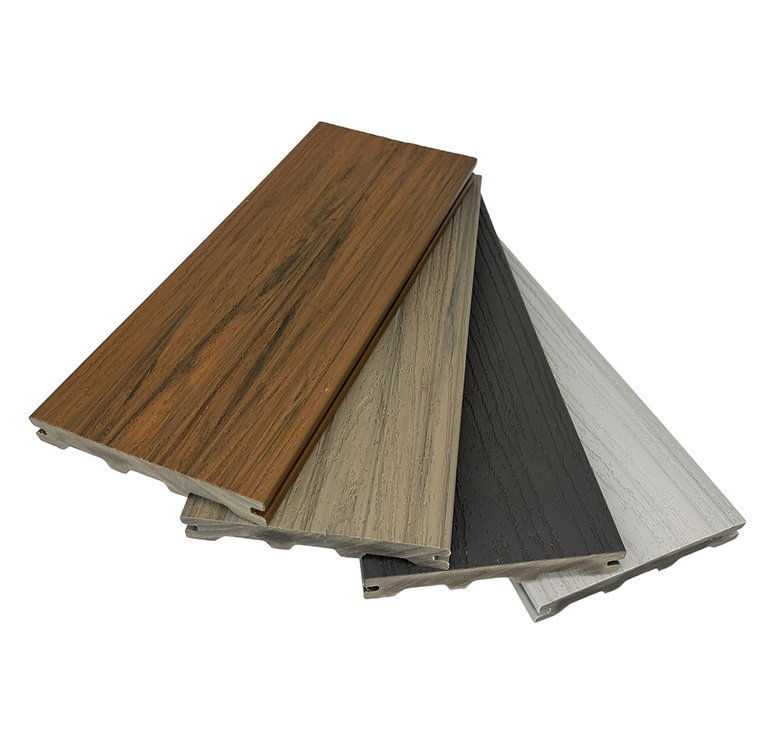
View the full Ceta composite decking range with prices, or order a free sample box to see the quality firsthand. Call 0800 688 9794 for a no-obligation quote on your project.

Comments