


Is Joist Tape Worth It? What Happens to Your Deck When You Skip It
You have spent weeks choosing the perfect composite decking boards, comparing colours, ordering samples, and planning the layout. Then someone mentions joist tape and you think: do I really need to spend more money on something nobody will ever see? It is a fair question. Joist tape sits hidden beneath your decking, invisible from the moment it is installed. So is it actually worth it, or is it just another upsell?
The short answer: yes, it is worth it — and skipping it is one of the most common and costly mistakes in UK decking projects. Here is exactly why.
What Actually Happens to Unprotected Timber Joists?
Every composite decking installation in the UK faces the same invisible enemy: water. Rain falls between the 5–6mm gaps in your deck boards and lands directly on the flat tops of the timber joists below. On a calm day, that water just sits there. It soaks into the end grain where boards have been cut. It pools around every screw hole. And over months and years, it does what water always does to wood — it rots it from the inside out.
Here is the part that surprises most people: the problem is actually worse with composite decking than with traditional timber boards. Timber deck boards absorb some of that rainfall themselves, spreading the moisture load. Composite boards shed water almost completely, channelling every drop down onto the substructure. Your premium, water-resistant deck boards are effectively funnelling moisture straight into the one part of the structure that cannot handle it.
Industry data paints a stark picture. Research cited by multiple decking manufacturers suggests that over 90% of timber deck substructures begin to show signs of splitting and rot within 8–10 years. Your composite boards might carry a 25-year warranty. Your timber frame, without protection, probably will not make it to year ten.
The Screw Hole Problem Nobody Talks About
Even pressure-treated timber has a weakness that is rarely discussed: the preservative treatment does not penetrate all the way to the centre of the board. The outer few millimetres are well-protected, but the heartwood remains essentially untreated. Every screw, nail or clip that you drive into a joist punches straight through the treated outer layer and opens a direct channel for water to reach the unprotected core.
This is why rot almost always starts at fastener points rather than on the surface of the joist. If you have ever pulled up old decking and seen joists that look fine on the outside but crumble around every screw hole, this is exactly what has happened. Joist tape covers the top surface and, critically, self-seals around each screw as it is driven through. The tape maintains a continuous waterproof barrier even at the most vulnerable points.
The Real Cost of Skipping Joist Tape
A roll of quality joist tape costs around £15. An average garden deck needs two or three rolls, so the total investment is £30–45. Now consider the alternative: replacing a rotted subframe. That means removing every deck board, ripping out the old joists, building an entirely new frame, re-taping it (because you have learned your lesson), and relaying all the boards. Even for a modest 12 m² deck, you are looking at £1,500–£3,000 in materials and labour.
Put differently, £30 of joist tape today prevents £2,000+ in repairs in ten years. On a pure cost-per-year-of-protection basis, it is one of the highest-value products in your entire decking build.
When You Do NOT Need Joist Tape
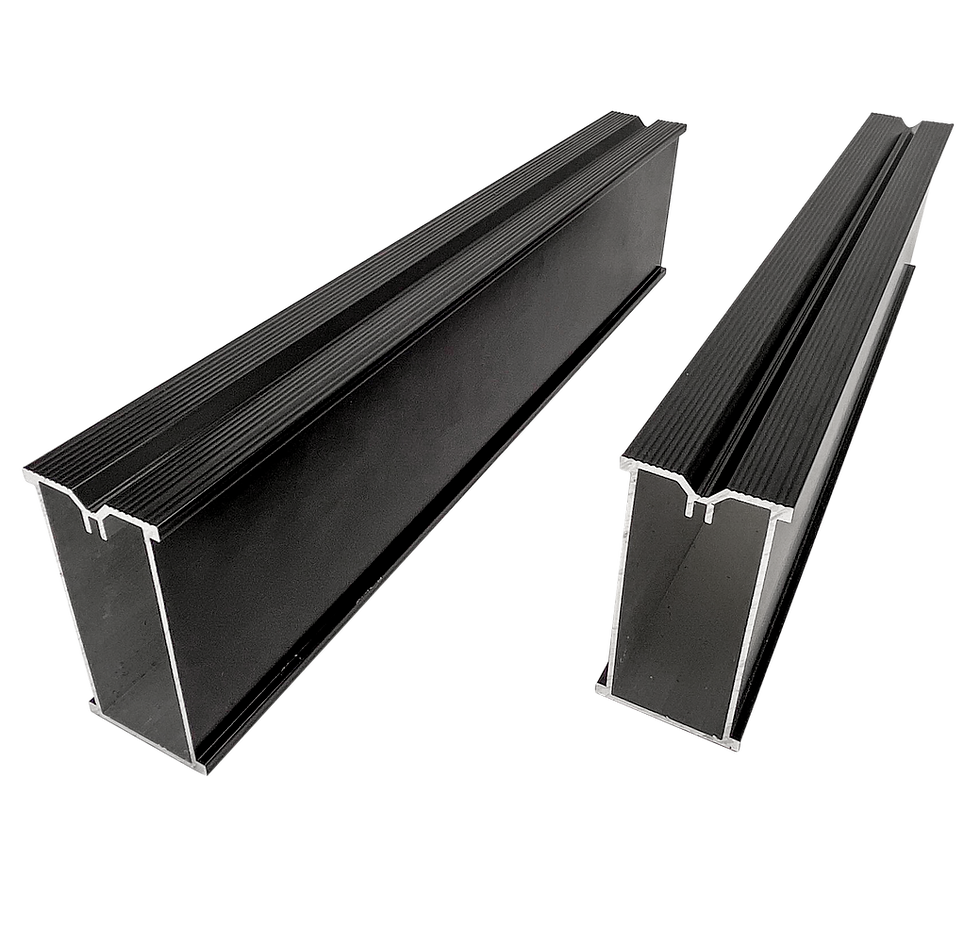
There is one scenario where joist tape is genuinely unnecessary: when you are using aluminium joists. Aluminium does not rot, does not absorb moisture, and is not affected by insect attack. If your subframe is entirely aluminium, you can skip the tape and put those savings towards better deck boards or finishing trims instead. This is one of the less-discussed advantages of aluminium joist systems — the total cost of the substructure is closer to timber than the joist price alone suggests, because you eliminate the cost of tape, timber treatment, and eventual replacement.
What to Look For When Buying Joist Tape
Not all tapes are equal. For UK conditions, choose a butyl rubber or acrylic polymer tape rated from at least -20°C to +80°C. Avoid cheap bitumen tapes — they dry out, crack and lose adhesion within a few years. Look for a warranty of 25 years, matching the lifespan of your composite boards. The tape should be self-sealing around screws (ask the supplier if you are unsure) and wide enough to cover the full top of your joists. For standard joists, 50mm tape works
well. For beams and doubled joists, go with 75mm or 100mm.
How to Apply Joist Tape Properly
Installation takes minutes. Make sure the joist tops are clean and dry. Peel the adhesive liner, press the tape firmly along the full length of every joist, beam, rim joist and ledger board. Overlap joins by at least 25mm. Use a hand roller or firm palm pressure to eliminate air pockets. Then install your deck boards as normal — screws and clips drive through the tape without any issue.
The biggest mistake people make is only taping the joists and forgetting the beams, rim joists and stair stringers. These elements are equally vulnerable to water damage, so tape everything that timber touches beneath the decking surface.
The Bottom Line
Joist tape is the cheapest, easiest, and most impactful thing you can do to extend the life of your decking. It takes five minutes to install, costs less than a takeaway dinner, and protects your substructure for over two decades. Professional decking installers across the UK now treat it as standard practice, and for good reason. Skip the tape, and you are gambling your entire deck frame on how many dry summers Britain has coming. We would not take that bet.
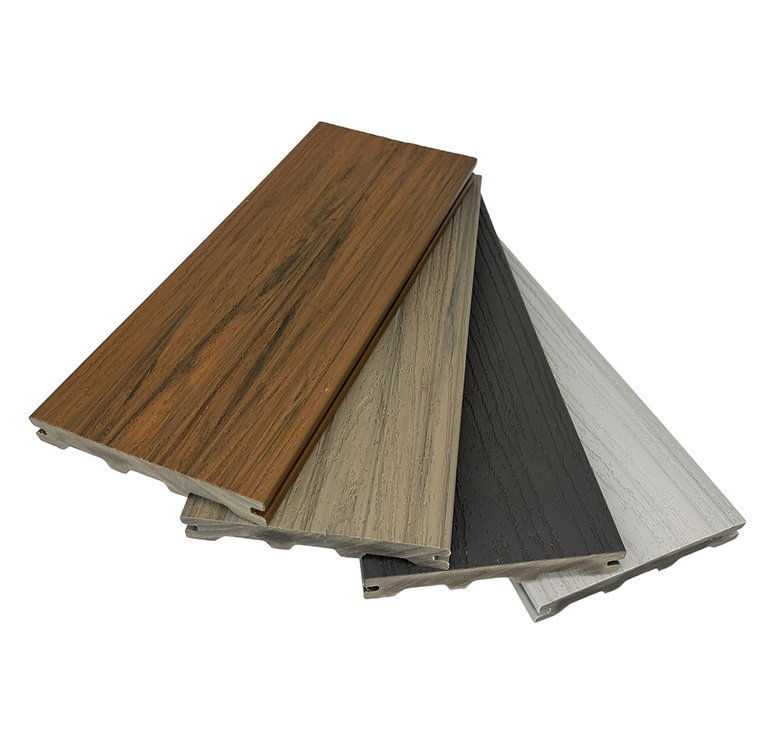
Ceta Joist Tape is available in our shop with fast UK delivery. Pair it with Ceta composite decking boards and hidden clips for a complete, protected decking system.


Comments